You open your closet most mornings and reach for the same few things. You would like to look better, but you don’t know where to begin or how much to spend.
How to dress better from zero comes down to 4 steps: sort your closet, learn to judge fit, write a plan from how you actually live, then buy 1 upgrade at a time in neutral colors. Sorting, fit checks and planning cost nothing. Tailoring and shopping are the only paid parts, and you decide when to start them.
Where this 4 step order comes from
The order below is adapted from Derek Guy’s 2018 getting started guide at Put This On. It walks beginners through learning fit, taking inventory of what they own and making a plan before they shop, and it notes that online wardrobe guides are often little more than shopping lists.
This version presents that advice as a closet exercise with plain labels for each pile, plus a suggested buying order at the end.

Step 1: Sort your closet before you buy anything
Pull everything out onto the bed, then sort it by what you will do with each piece.
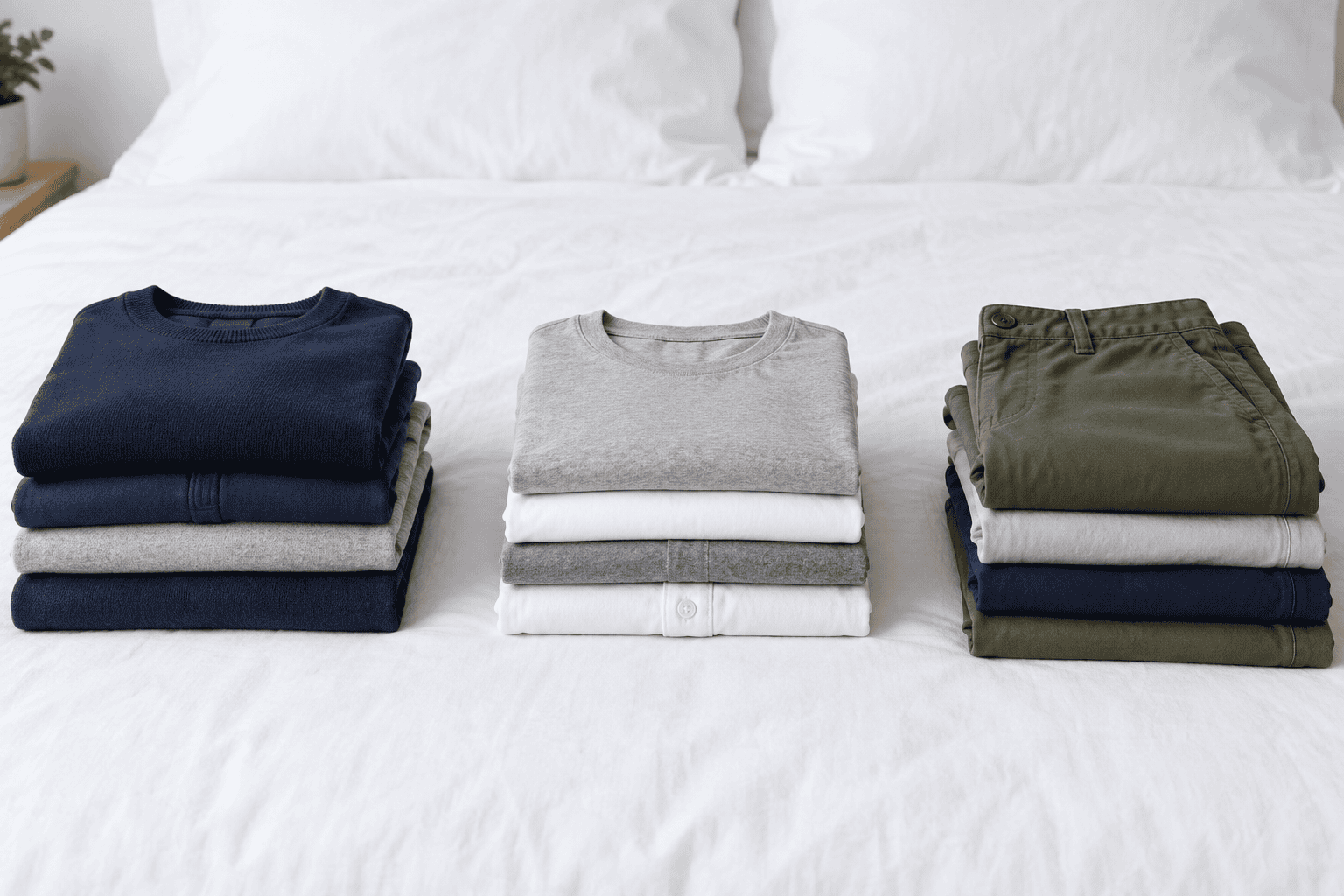
- Wear now. It fits, you like it and you reach for it. This pile shows what your life actually needs, and your plan in Step 3 starts here.
- Wear after a fix. The piece is good but something is off, like long trouser hems or sleeves that cover your hands. Set these aside for the tailor question below.
- Move out. Anything you have not worn in a year, or bought for a version of you that doesn’t exist. Split this pile in 2 before you act on it.
What to do with the move out pile
Clean clothes in good shape can be sold or donated. Goodwill of Greater Washington says clothing must be clean and free of stains, tears, pet hair and odor, and it cannot accept broken, damaged or soiled items. Other donation centers set their own rules, so check before you drop anything off. For torn, stained or worn out pieces, look up your local textile collection or recycling rules.
What to do with the wear after a fix pile
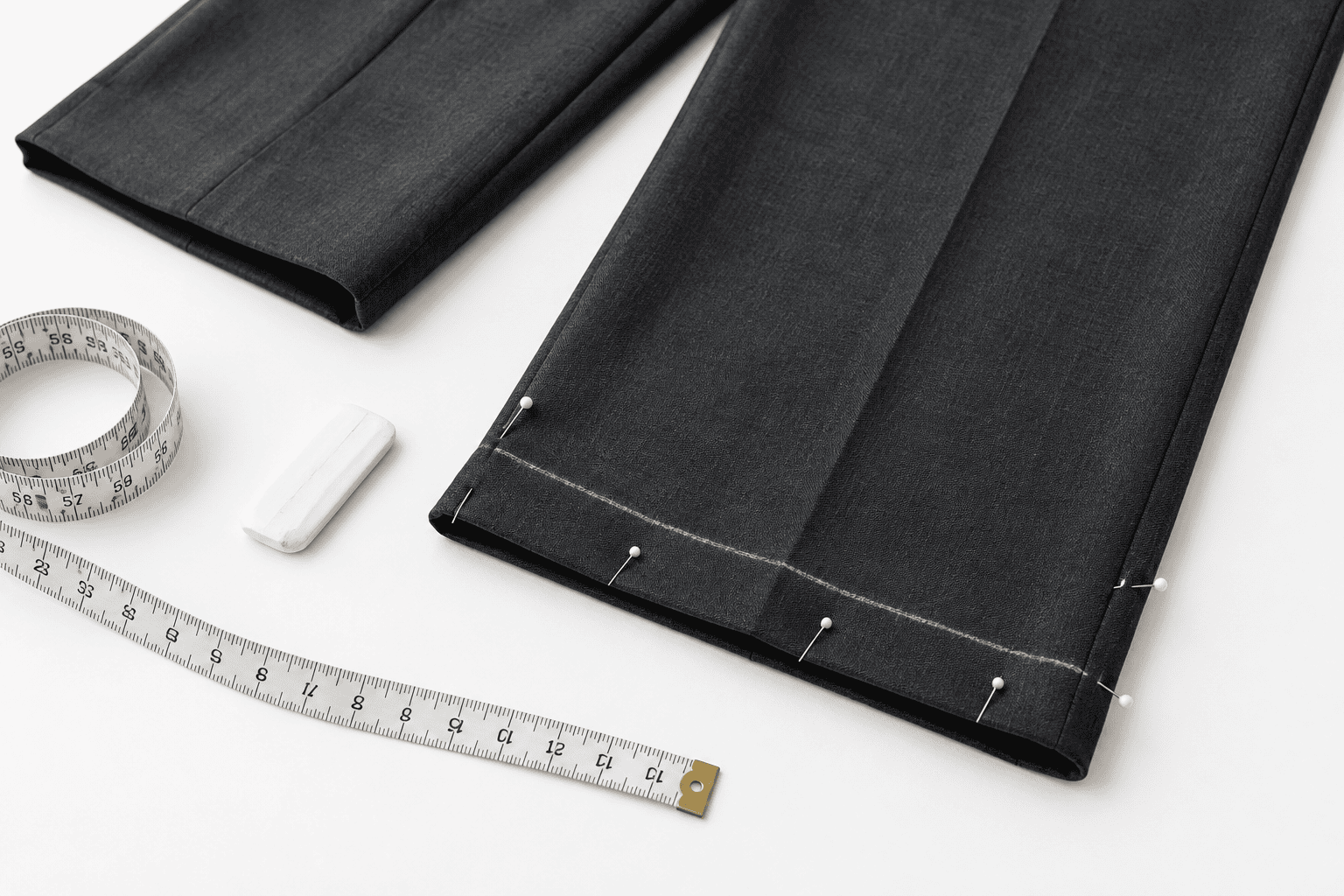
Put This On lists hemming overly long trousers, tapering a straight leg and adjusting sleeves as typical fixes. Shoulders are harder. Proper Cloth’s alteration guide says this about tailored jackets: a shoulder width change is complex and expensive. If a jacket is wrong in the shoulders, expect that to be a hard fix.
Tailoring is optional, and it is the first place you spend money in this plan. Take the 1 or 2 pieces you wear most, ask for a quote before you agree to any work, and compare it with how often you will wear the piece and what a replacement would cost.
Step 2: Learn to judge fit
At the start, fit is a better thing to study than brands, fabrics or trends.
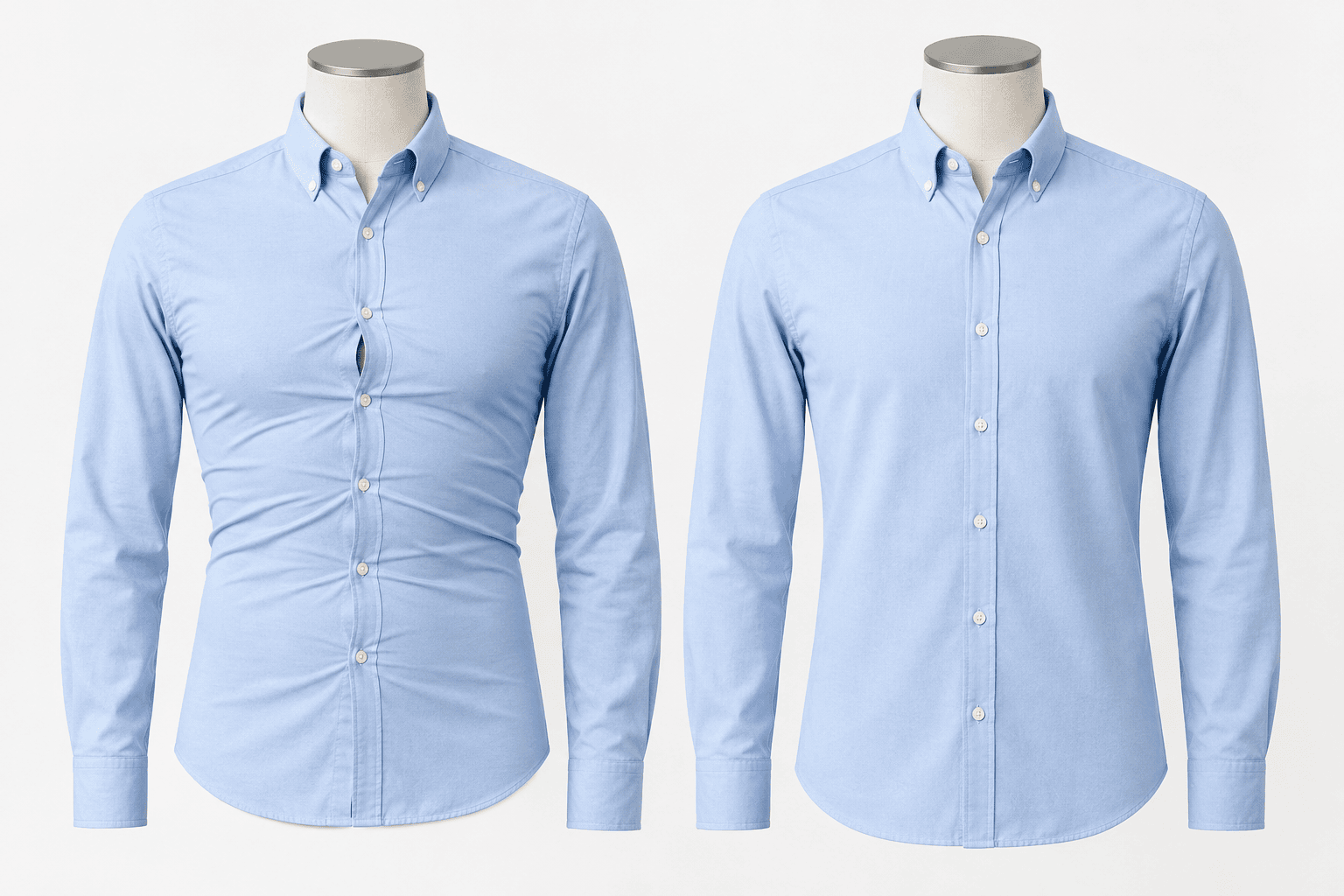
You don’t need measurements. Look for 4 things in the mirror, and treat each as a warning sign to weigh against comfort and the shape you want.
- Pulling. Tension lines across the chest, strained buttons, fabric grabbing at the hips when you sit. This often means the piece is too small.
- Pooling. Extra fabric folding where your body doesn’t, or a seat that hangs. This can mean the piece is too big. Relaxed fits are made loose on purpose, so check it against how it feels and the shape you want.
- Shoulder seams. On a conventional fitted shirt or jacket, the seam should sit near the edge of your shoulder. A seam that drops well past it is a warning sign. Drop shoulder designs are the exception, since they are cut that way.
- Where things end. Trouser hems, sleeve cuffs and jacket hems set your proportions. Moving a hem by an inch changes how the whole outfit reads.
Stand, sit, raise your arms and walk. Clothes have to work in motion. When you see an outfit you admire, look at where the seams sit and where the hems end. Doing this whenever you see an outfit you like trains your eye.
Step 3: Plan from the life you have
Before buying anything, answer these honestly.
- What do you reach for most? If 4 of your 5 workdays happen in jeans, your upgrade money belongs in jeans, boots and jackets, and a suit can wait.
- What do you want your clothes to do: look sharper at work, feel less sloppy on weekends, get you through wedding season?
- What can you spend each month without pain? A slow plan you finish beats a fast one you abandon.
Write the answers down. They become your filter: a purchase either serves one of them or it waits. It also keeps trends in check: a trend that fits your plan is a choice.
Once your plan exists, our capsule wardrobe guide shows how a small set of clothes combines, and the wardrobe essentials guide is the checklist version. Both work better after these steps than instead of them.
Step 4: Buy 1 upgrade at a time
Now you shop, slowly, in this order.
- The item from your wear now pile that wears out fastest. Replace your daily workhorse first, in the best quality your budget allows.
- Shoes. You wear them with almost every outfit, so a good pair gets the most use.
- The layer people see. A good jacket or overshirt works with many outfits at once.
- The gaps your plan named. Everything after this is refinement, including color. When you get there, our color matching guide starts from the clothes already on your rack, and the accessories guide covers the small finishing pieces.
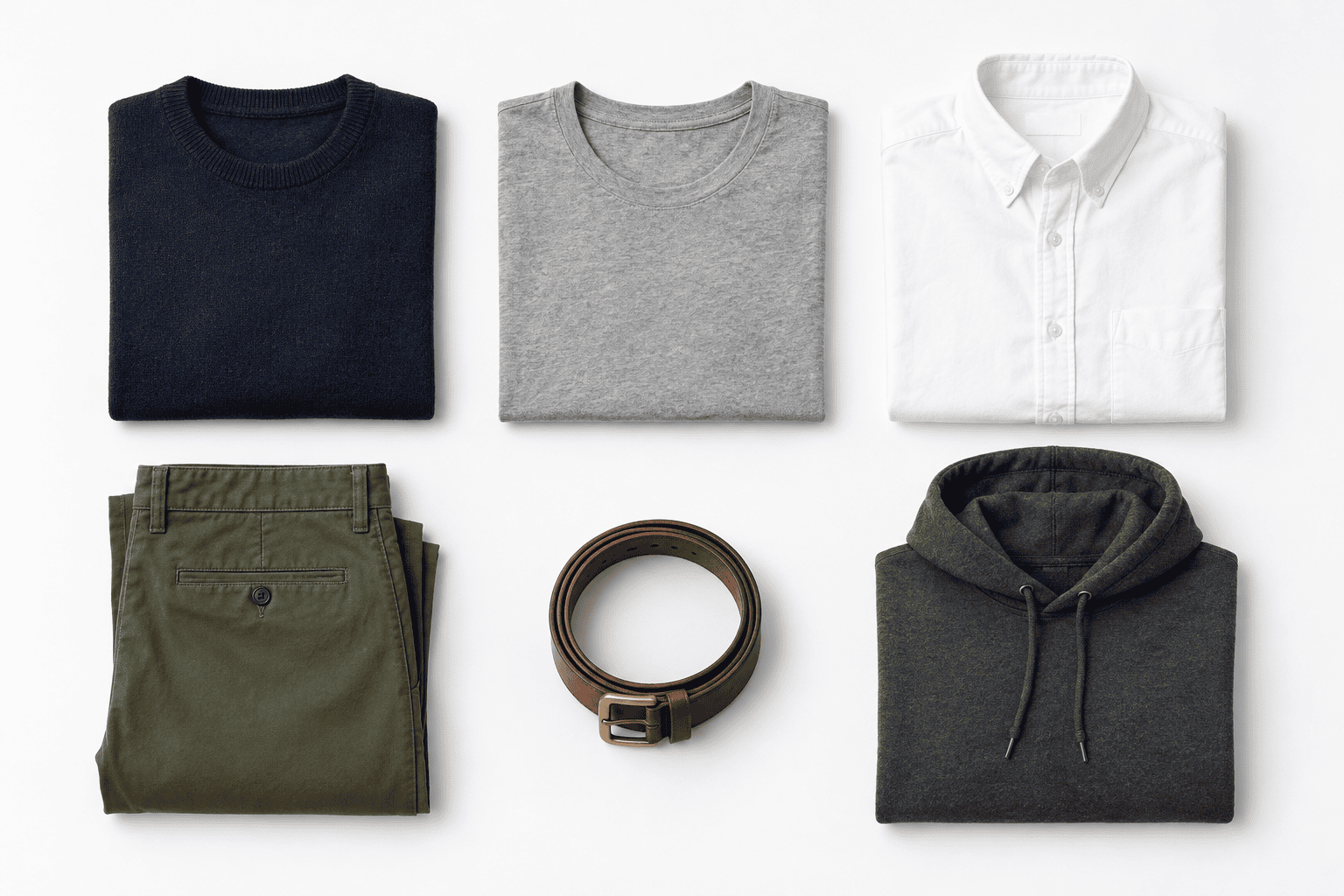
Buy neutrals first: navy, gray, white, olive and brown. They combine with each other and with whatever you kept, so each new item is easier to pair with what you already own. As an optional exercise, wear each purchase for a couple of weeks before buying the next, so you learn what works before you spend again.
The traps that reset beginners to zero
- Buying a whole new wardrobe in a weekend. You haven’t learned what suits you yet, so you may buy pieces you later regret.
- Chasing the man in the photo. Photos are styled, lit and edited. Copy the principle, like a clean fit or a tight palette, and skip the exact outfit.
- Treating logos as quality. A logo tells you about marketing. Fabric, stitching and fit tell you about quality, and the mirror from Step 2 tells you the rest.
- Skipping the tailor. Off the rack clothes don’t always match your proportions. Ask for a quote first and weigh it against how much you will wear the piece.
- Waiting for a different body. Dress the body you have. Clothes that fit now beat clothes you’re saving for later.
The short version
- Sort your closet into wear now, wear after a fix and move out.
- Check fit for pulling, pooling, shoulder seams and where things end.
- Write a plan from how you actually live.
- Buy 1 upgrade at a time, neutrals first.
FAQs
How can I dress better with no money?
Stick to the steps that cost nothing. Sort your closet into wear now, wear after a fix and move out. Try combinations of what you already own. Do the movement checks from Step 2. Take care of what you have with supplies you already own, like washing, steaming or brushing. Then write your shopping plan. Alterations wait until there is money.
Where should a beginner start with men’s fashion?
Start with your own closet rather than a store. Sorting it shows what your life actually needs, and learning to judge fit tells you what to buy when the time comes. Shopping lists come last.
How fast should I build a wardrobe?
There is no set timeline. Buy 1 item when your plan names a gap and your budget allows it, and use it before you add the next. Slower buying gives you time to see what works for you.
Should beginners follow fashion trends?
Not at first. Once you own neutrals that fit, a trend is easy to test against your Step 3 plan. If it fits, try an affordable version before you spend more.
Is it worth tailoring cheap clothes?
It depends. Get a quote first, then compare it with how often you will wear the piece and what a replacement would cost. Skip an alteration that costs close to a replacement or that may not fix the problem. Shoulders on a jacket are among the hardest things to change.
What colors should a beginner buy?
Navy, gray, white, olive and brown, plus black shoes and belts if you like. Those colors mix easily. A navy sweater, gray t shirt, white shirt and olive chinos can go together several ways, such as navy sweater with olive chinos, gray t shirt with olive chinos, or white shirt under the navy sweater. Add stronger colors once your neutrals are earning their place.