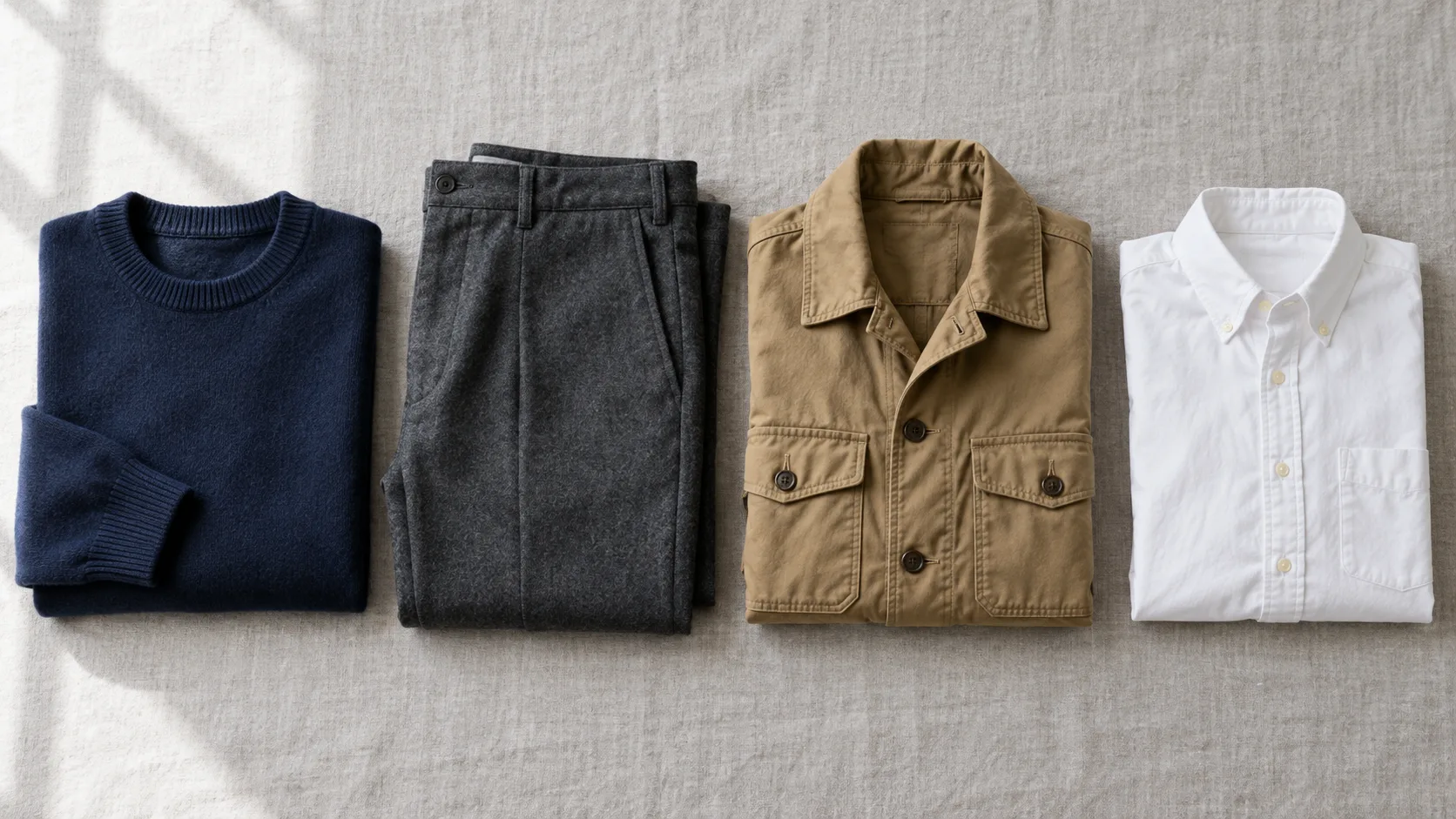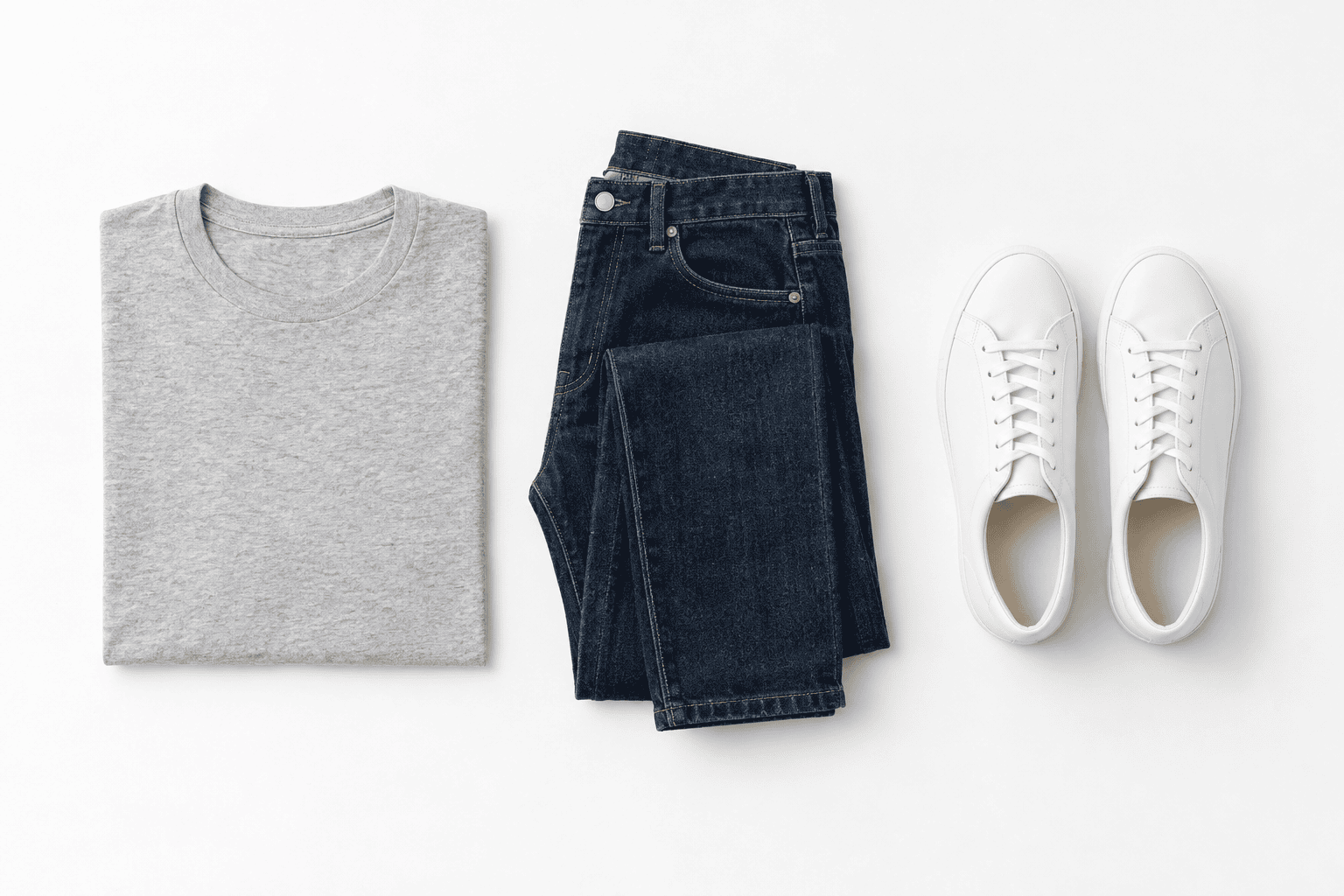
You have the meeting in 9 days. Investors, or a board, or the first client big enough to matter, and you are standing in front of a closet that was built for writing code. The hoodies feel wrong now. The 1 suit you own feels worse. Somewhere between the 2 is the way tech CEOs actually dress, and almost every guide to it is lying to you.
By Ghoul, FashionXD. Last updated November 16, 2026.
Here is the short version: tech CEO style is not a look. It is 3 different uniforms, each built to send a specific signal, and the men wearing them chose their signal years ago. Your job is not to copy the outfit. It is to pick the signal, then build the smallest wardrobe that sends it.
The Mistake That Makes You Look Like a Fan
The first move most men make is costume. You buy the black mock turtleneck because Steve Jobs wore one, or the grey t-shirt in a 5-pack because Mark Zuckerberg does, and you walk into the meeting dressed as a tribute act. People read it instantly, the way they read a band tee: you are a fan of the person, not a peer of the room.
The turtleneck worked because of everything around it. Jobs had Issey Miyake make him more than 100 of them, wore them with 501 jeans until the end of his life, and told his biographer he had enough to last the rest of his life (reported by the Hollywood Reporter in 2011). The outfit was the residue of a decision made once and never revisited. When you buy the turtleneck, you get the residue without the decision, and the room can tell the difference.
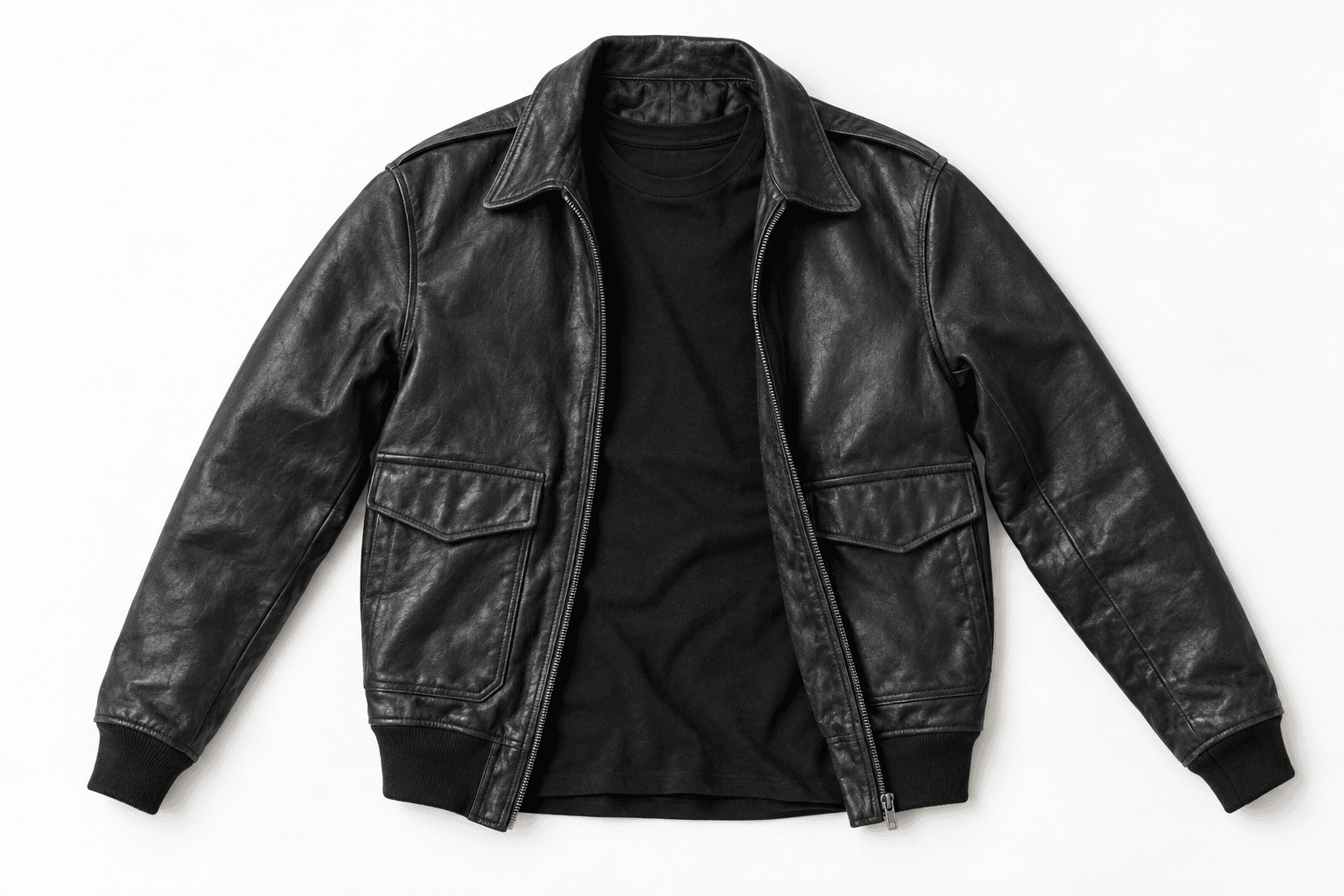
The same trap sits on the other end. Elon Musk turned up to the New York Times DealBook conference in 2023 in a leather flight jacket with a fur-lined collar, a piece the Washington Post described as a caricature of mid-century rogue masculinity. It is a costume too, just an expensive one, and it works for exactly 1 man on earth. Copy either end and you lose. Copy the logic underneath and you win.
Why They All Dress This Way
Zuckerberg answered the question directly in his first public Q&A in 2014, when someone asked why he wears the same grey t-shirt every day: he wanted to make as few decisions as possible about anything except how to best serve his community, and even small choices like clothing burned energy he did not want to spend (Business Insider, 2014). That is the honest engine under most of tech CEO style. It is not fashion. It is the deletion of a daily decision.
There is a second engine, and it is signal. The Guardian’s fashion coverage of the 2024 Sun Valley conference, the annual gathering of tech and media billionaires, made the point brutally: Sam Altman arrived in a plain grey t-shirt, blue jeans and a black backpack, looking like he had shown up for freshman orientation, while Jeff Bezos walked the same grounds in pearl grey jeans, a tight black t-shirt and a stack of bracelets, in the middle of his much-covered transformation from geek to beefcake. Same conference, 2 completely different statements, both deliberate. In tech, dressing down says my work is the flex. Dressing up says I have outgrown the garage. Neither is wrong. Wearing one while meaning the other is.
The 3 Uniforms
1. The Minimalist Uniform
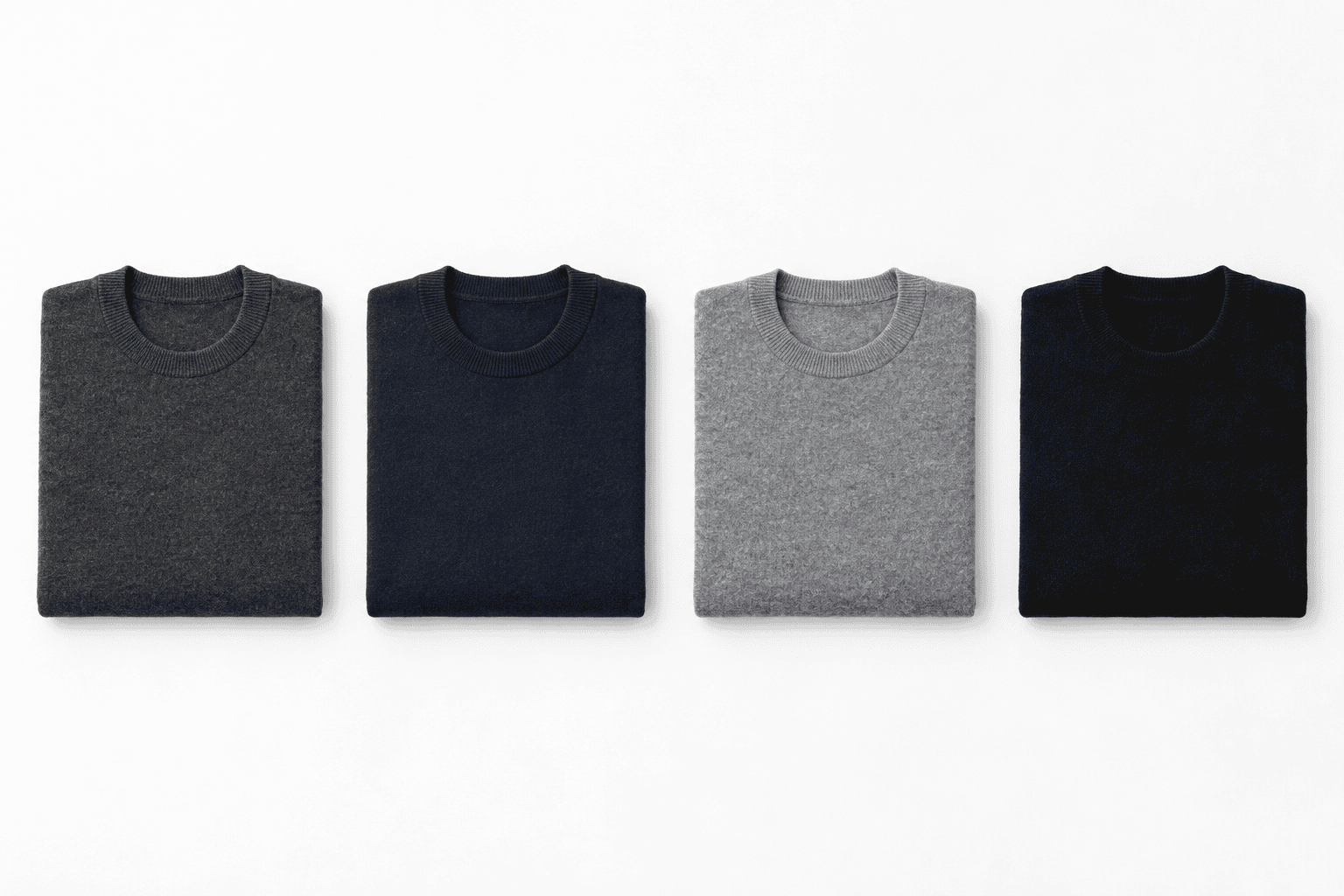
Jobs, Zuckerberg, and half of Sand Hill Road. Pick 1 outfit formula, buy it in multiples, and remove getting dressed from your morning. The pieces are boring on purpose: a plain crewneck or t-shirt in 1 or 2 colors, dark jeans or trousers that fit, clean sneakers or plain boots, nothing with a logo doing the talking.
The uniform only reads as deliberate when the fit is perfect, which is the part everyone skips. A grey tee that drapes correctly looks like a decision. A grey tee that hangs looks like laundry day. If you build 1 thing from this article, build this: the color matching logic from our guide to matching clothes colors does most of the work, because a uniform lives or dies on its palette.
2. The Statement Signature
Musk’s flight jacket, the founder who always wears the same blazer, the investor who never takes off the 1 ring. This uniform is 1 unusual piece, worn so consistently it becomes a logo. It is the highest-risk play of the 3: done well, it makes you memorable in every photo for 20 years. Done early or forced, it makes you the guy with the thing.
The rule that separates the 2 outcomes: the signature has to look like it found you, not the other way around. That means it should be a piece you would wear anyway, turned up slightly, and it should take at least a year of repetition before anyone names it. If you are picking a signature to be picked as a guy with a signature, you are doing marketing, and it will show.
3. The Polished Founder
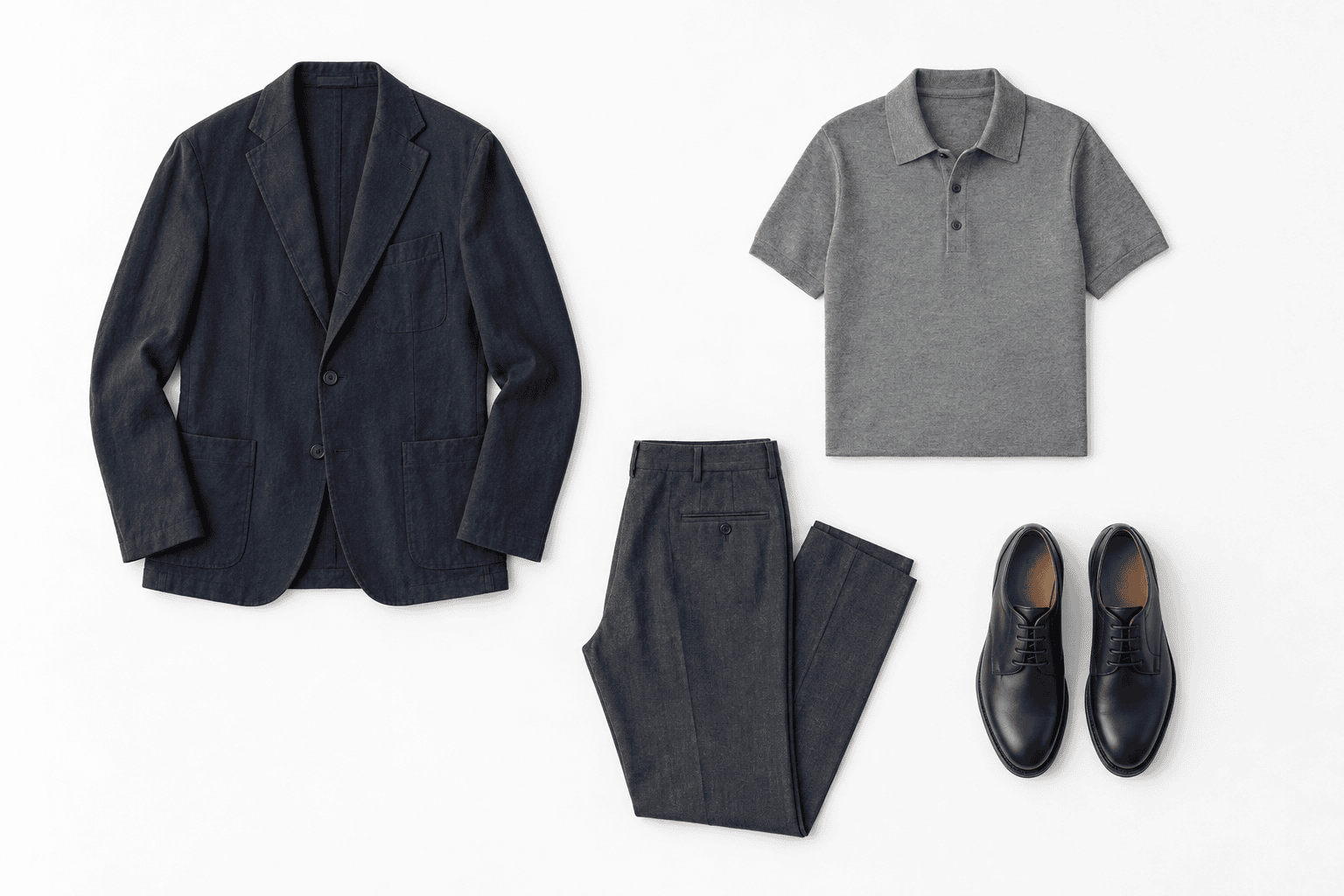
The third uniform is the quiet upgrade: the version you wear when the company grows up and the hoodie starts reading as a refusal to. Dark unstructured blazer, knit polo or plain oxford, tailored trousers, minimal leather sneakers or derby shoes. Nothing shines, nothing is new-looking, and nothing was bought this week. It is the wardrobe essentials logic applied to a corner office: few pieces, correct fit, cost per wear doing the math.
This is the uniform that fits most men reading this article, because it scales from a 10-person startup to a boardroom without a costume change in between.
Altman vs Musk: 2 Opposite Plays
The 2 most watched tech CEOs of this decade dress as opposite arguments.
Altman dresses to disappear. Grey tee, jeans, backpack, nothing you would remember 5 minutes later. The signal is total: the work is the story, and the man is deliberately not. It is the minimalist uniform pushed to its extreme, and it fits a company selling intelligence rather than personality.
Musk dresses to be the story. The flight jacket, the black everything, the silhouette you can spot across a stage. The signal is equally total: the man is the brand, and the costume is load-bearing. It fits companies selling a person as much as a product.
Neither play is available to you at their level, and that is the useful news. At a normal scale, the disappearing act reads as not trying, and the costume reads as trying too hard. What transfers is the consistency. Pick 1 lane, stay in it for a year, and let repetition do what their money does. The full map of lanes sits in our guide to types of men’s fashion styles , and the tech CEO look is 1 quiet branch of it.

The 10-Piece Kit
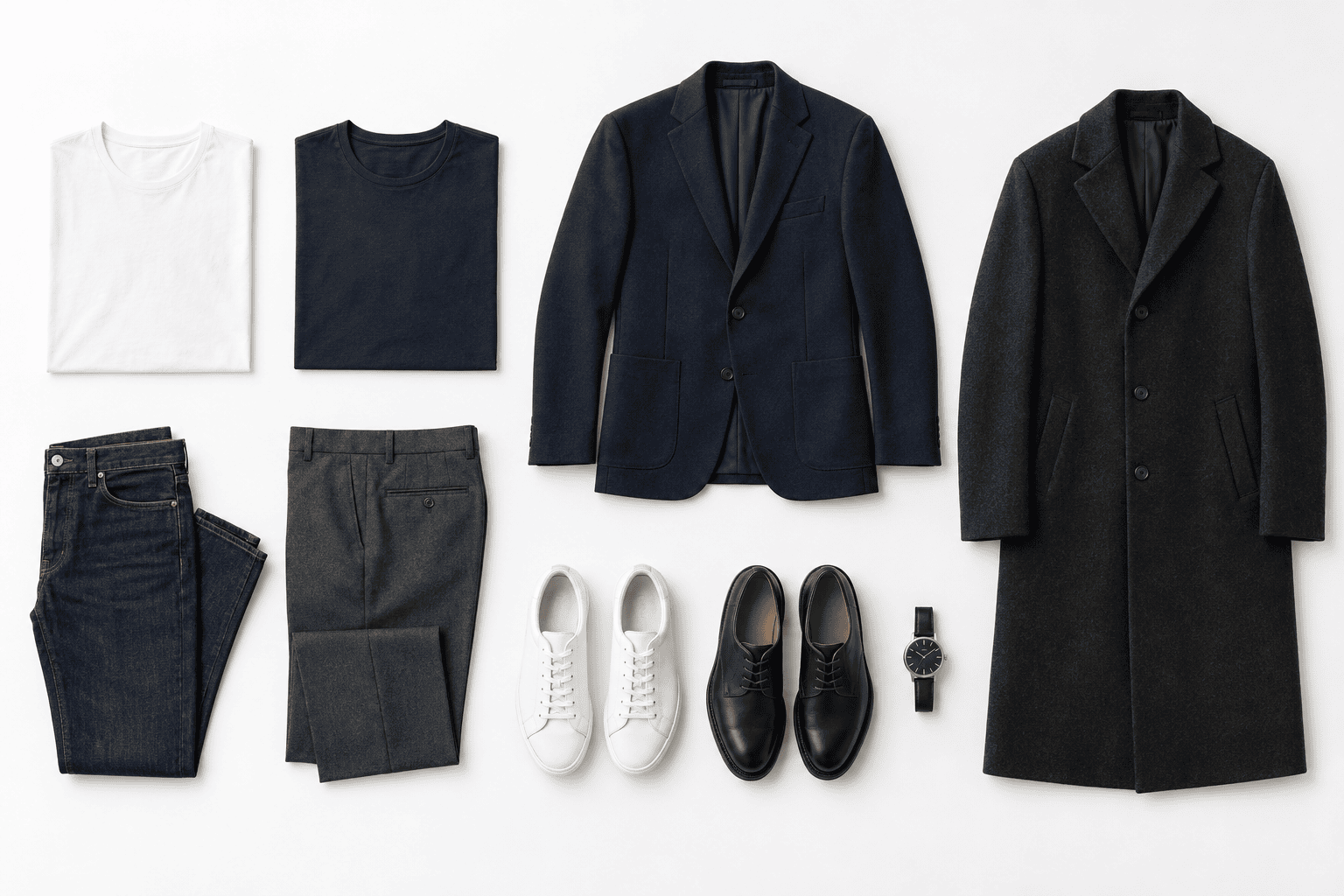
Everything above compresses into a small wardrobe. Build it in this order, and stop when it works:
- 3 plain crewneck t-shirts or knit polos in your 2 best neutrals. Fit is the whole game; size down or tailor until the shoulder seam sits on the shoulder.
- 2 dark jeans or tailored trousers, no distressing, no visible branding.
- 1 navy or charcoal unstructured blazer. This is the piece that converts the uniform from engineer to CEO in 10 seconds.
- 1 pair of minimal white or black leather sneakers, kept clean. The footwear guide in our wardrobe essentials covers the logic.
- 1 pair of plain boots or derby shoes for the rooms where sneakers still read young.
- 1 simple watch. It is the 1 accessory every version of this look shares, and the starter rules in our accessories guide apply directly.
- 1 overcoat or clean jacket that works over the blazer for the 4 months you need it.
No prices here on purpose: every piece exists from mall brand to designer, and the version that fits beats the version that costs. Buy the best fit at your budget, not the closest copy of someone else’s receipt.
4 Ways This Goes Wrong
Copying the costume. The turtleneck, the jacket, the exact sneaker. You become a reference to a person instead of a person.
Upgrading everything at once. A full new wardrobe in 1 month reads as a costume too, because nothing is broken in and the combinations have not been tested. Add 1 piece every 2 weeks and wear each hard before the next.
Dressing for the title you want in a room that has not given it to you. The polished founder uniform on a first-time founder pitching from a garage reads as debt. Match the wardrobe to the stage, then push it half a step ahead.
Letting the uniform rot. The whole point is repetition, and repetition punishes wear. Replace the tees the moment they lose shape, resole the shoes, and keep the sneakers white. A uniform with visible decay signals chaos, not focus.
None of this requires money as much as it requires restraint. The men who made these uniforms famous got there by deciding once and holding the line for years, and that part is free.
FAQs
Do CEOs really wear the same outfit every day?
A few do, literally: Zuckerberg confirmed the same grey t-shirt in a 2014 public Q&A, and Jobs wore his turtleneck and 501s daily. Most others wear a formula rather than an identical outfit: the same silhouette in a tight rotation of colors, which gives the same mental benefit without the laundry problem.
Does a personal uniform work if you are not a billionaire?
Yes, and arguably better, because nobody is photographing you. The uniform’s real payoff is the deleted decision and the consistent impression on the same 30 people you see every month. The only adjustment: keep it half a step more formal than a billionaire can afford to be, since you do not have their room-owning leverage.
What should you wear when you step into your first leadership role?
Upgrade the fit before the formality. Keep your current wardrobe’s formality level, replace the 3 most-worn pieces with versions that fit perfectly, and add 1 blazer. Change everything at once and the team reads it as the role going to your head; change nothing and you signal you have not noticed the job changed.
Is copying the Steve Jobs turtleneck a good idea?
No, unless black mock turtlenecks are already your thing. The piece carries 20 years of association with 1 man, so wearing it reads as a reference, not a choice. A plain black crewneck or rollneck you chose yourself sends the same minimalism without the costume.
Why do tech CEOs dress badly on purpose?
Most are not dressing badly; they are dressing consistently in pieces chosen for comfort and repetition, which reads as bad next to traditional tailoring. Some of it is deliberate anti-signaling: in a culture that prizes the work above everything, visible effort in clothing can read as misplaced priorities. The blandness is the message.
How long does it take to build a CEO-style wardrobe?
About 3 months at a sane pace: 1 piece every 2 weeks, worn repeatedly before the next arrives. That pace is not a budget rule; it is how you find out which pieces actually earn the rotation before you duplicate them.
Where to Start Tonight
Pull out the 3 tops you wear most and check the shoulder seams in a mirror. If they sit right, you already own the spine of the minimalist uniform and the rest is shopping by numbers. If they do not, you know what the first purchase is. Pick your lane, buy the first piece, and wear it until it stops feeling like a decision.